Call NowCall
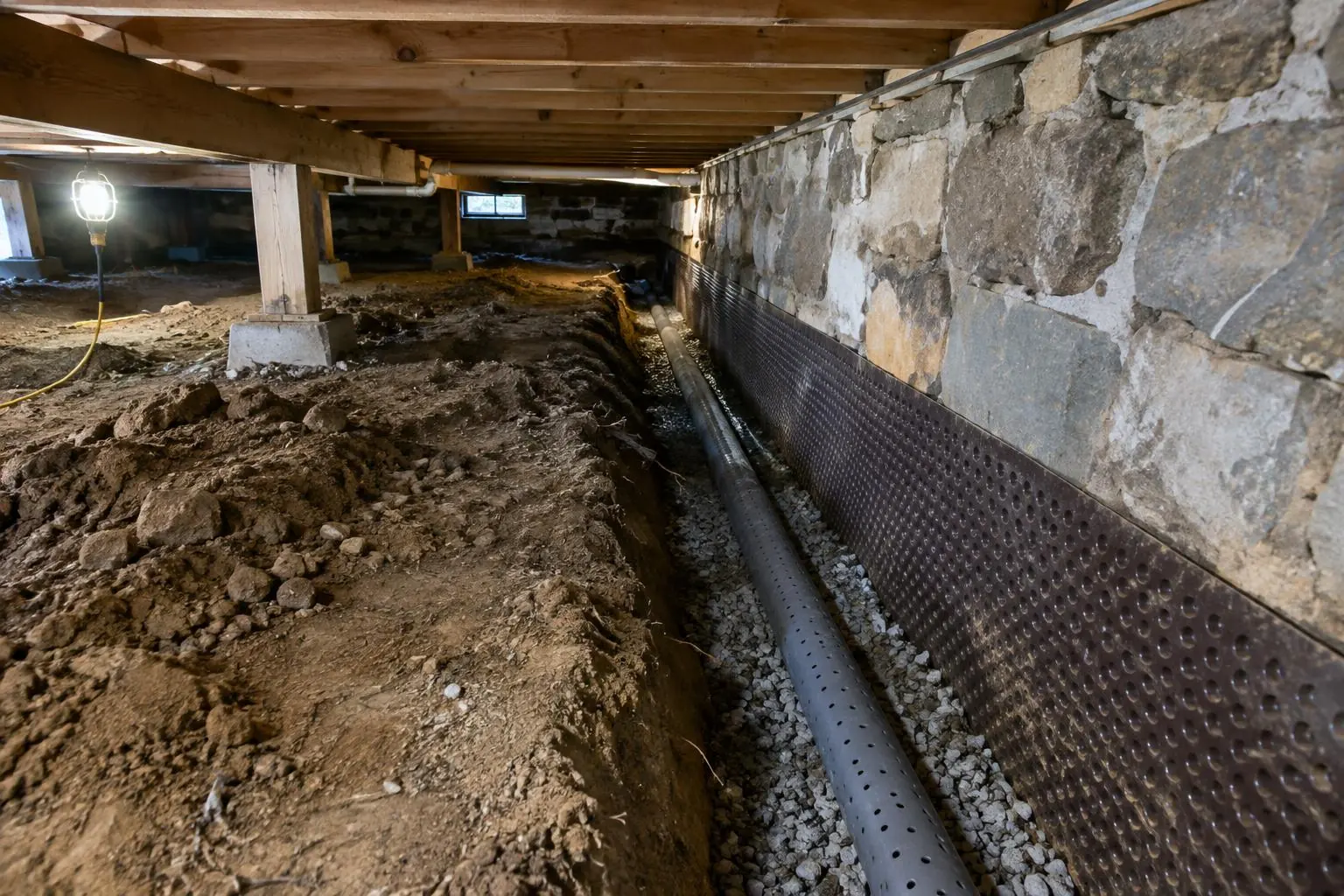
Perimeter drain trench with perforated pipe in gravel beside a stone crawl space wall

Crawl Space Waterproofing Asheville NC: Crawl Space Drainage and Crawl Space Water Problems

Reliable Crawl Space Waterproofing and Drainage in Asheville, NC and Buncombe County

  • Free quotes
  • Moisture source first
  • Permit handled

Foundation and Crawl Space Pros installs crawl space waterproofing in Asheville, NC for homeowners in Buncombe County whose crawl spaces flood in storms or stay wet for days afterward. A liner does not stop liquid water, so the crew builds drainage first. Perimeter pipe, a sloped floor and a sump pit give the water a path out, and sealing comes after. Standing water, wet insulation and muddy floors are all treatable.

Why homeowners choose us:

  • Free quotes for crawl spaces, basements and foundation walls
  • Moisture source first drainage and leaks fixed before any liner goes down
  • Permit handled closed crawl space conversions pulled under the NC code
  • Licensed and insured seven years in business, certificate on request

Our crew has seven years of local crawl space and basement work and is licensed and insured in North Carolina. Quotes are free and itemized, so drainage, the sump pump and any sealing are separate lines. Growth found under the floor goes to mold removal, and humidity afterward goes to a dehumidifier. The cost page shows typical ranges. If the camera shows foundation concerns, we say what we saw and what needs to be done, with no promise of structural fixes.

Get a FREE Crawl Space Encapsulation Quote

No obligation. Free quote.

What Crawl Space Waterproofing Involves in Asheville, NC

Waterproofing a crawl space means giving water a path out and keeping the rest dry. The parts below make up most Asheville jobs, and the quote includes only the ones that apply to your space:

  • Water entry diagnosis treats crawl space water problems at the source and traces where water comes in, whether through walls, the floor or from poor grading.
  • Perimeter drain pipe is a crawl space french drain laid along the footing, so groundwater collects in the pipe instead of the dirt.
  • Drainage matting sits on the floor and walls, which lets water move to the drain beneath the liner.
  • Floor grading slopes the ground toward the low point, so standing water in crawl space corners has nowhere to pond under the framing.
  • Sump pit and pump collect the water and push it out through a discharge line, covered in sump pump installation.
  • Downspout and discharge routing carries roof and pump water away from the foundation walls.
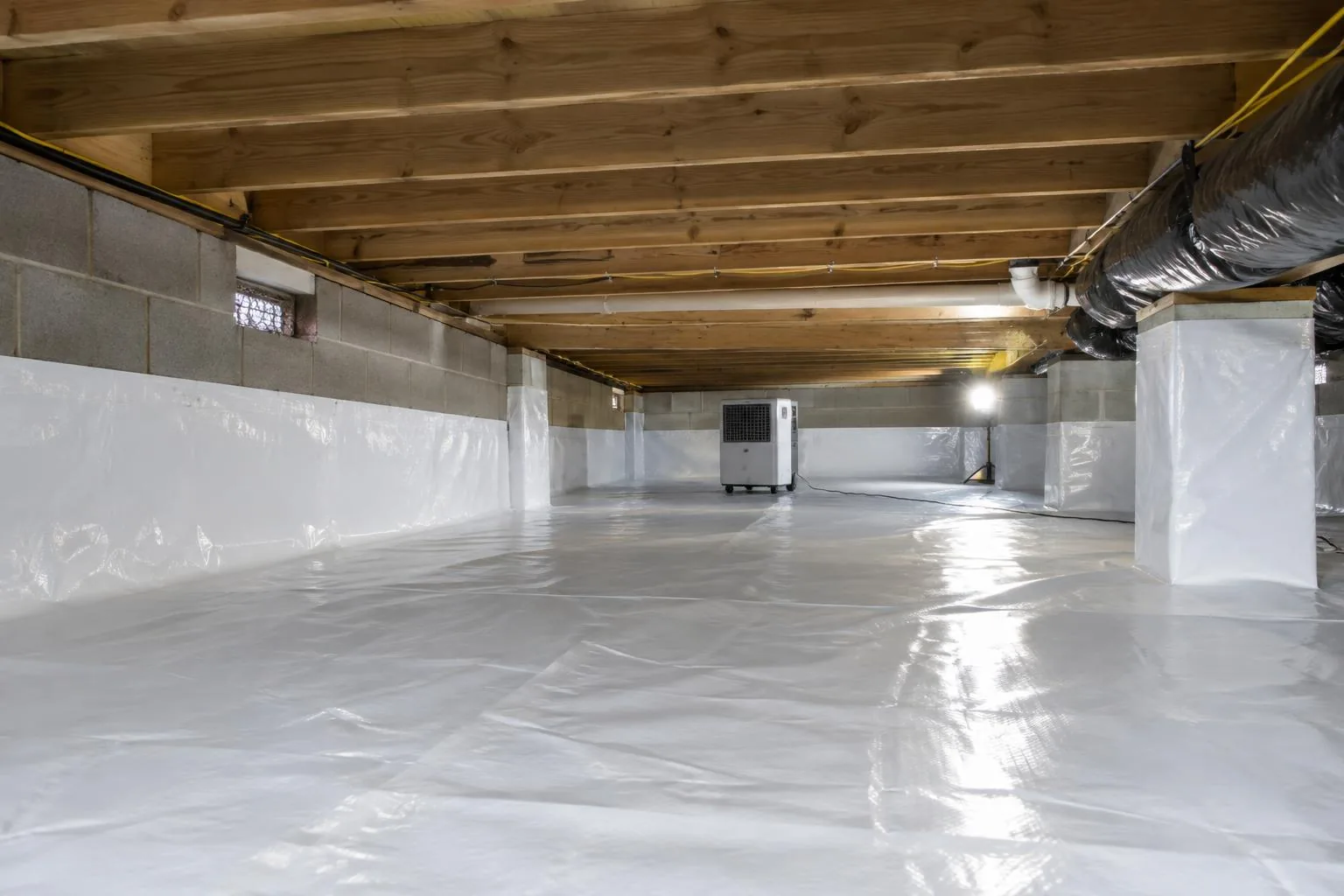
  • Liner and sealing goes over the drainage once it works, as described in crawl space encapsulation.
  • Moisture control uses a dehumidifier to hold humidity down after the water is handled.
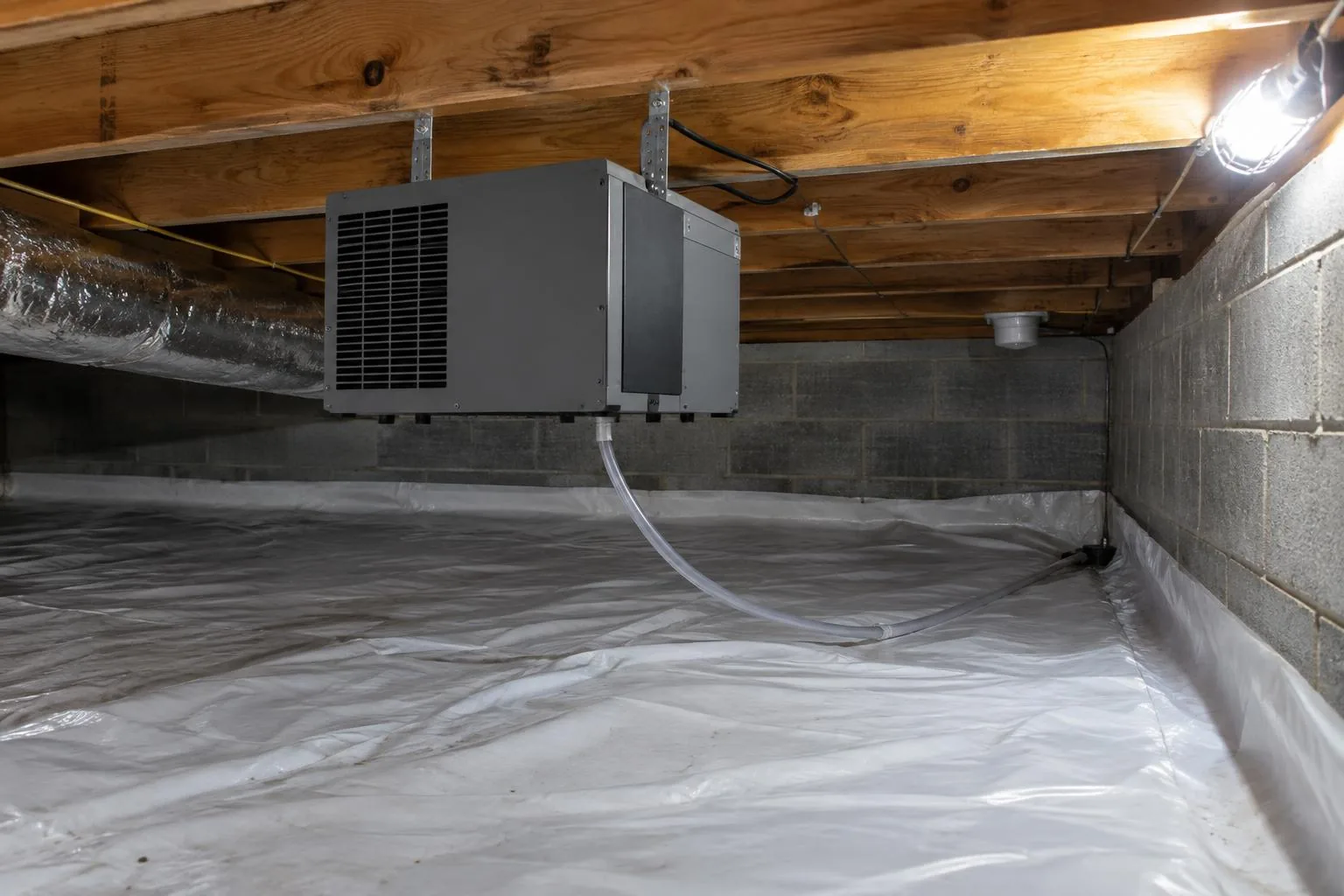
Dehumidifier hung from a joist in a sealed crawl space with a drain hose to the corner

Signs You Need Crawl Space Waterproofing in Asheville

Water in a crawl space shows up in the house as well as underneath it. Homeowners who describe crawl space flooding after storms or a wet floor in spring are describing problems that waterproofing is built to fix.

What Does a Wet Crawl Space Look Like?

  • Standing water after storms tells you groundwater or runoff is entering faster than it leaves, and a pit and pump are needed.
  • Muddy or soft soil shows water sits in the crawl space for days, which feeds mold and attracts pests.
  • Water stains on foundation walls mark the height water has reached, and they return after each heavy rain.
  • Rusted ducts or fasteners point to humidity or splashing water, which wears out equipment under the house.
  • A damp smell after rain shows the water is spreading moisture into the air and the floor above.

Why Crawl Space Waterproofing Is Harder in Asheville

Mountain slopes, frequent rain and old grading make crawl space water a repeat problem in Asheville. Four local conditions drive how a waterproofing plan is built, and each one explains a line on the quote.

Rain Totals Add Up

Asheville averages 45.57 inches of rain a year, and much of it falls on sloped lots that push runoff toward foundations. Water that reaches the crawl space needs a drain and a pump sized for steady flow, since a liner alone would trap it. Hillside lots in Kenilworth and West Asheville often sit below the street, which sends still more runoff toward the foundation.

Hourly Rain Is Heavier

Yearly rainfall is up 7.7 inches since 1970, and hourly intensity has grown 14%. Perimeter drains and grading set decades ago cannot move water as fast as a modern storm delivers it, so crawl spaces that stayed dry now flood. A homeowner who never saw water in the first twenty years can see it several times a season.

Stone Foundations Leak at Joints

Montford’s roughly six hundred homes, built between 1890 and 1920, often stand on stone. Mortar joints let groundwater through, so wall drainage matting is added behind the liner and sealed at the top. Old stone also breathes in damp weather, which is why the wall barrier runs all the way up.

Closed Crawl Spaces Need a Permit

North Carolina requires a permit to convert a vented crawl space to a closed one. When waterproofing leads to a full seal, the permit and a drying method are part of the plan. Inside Asheville city limits the permit goes through City Development Services, and we file it.

How Much Does Crawl Space Waterproofing Cost in Asheville, NC?

A crawl space drainage system in Asheville typically costs $4,000 to $6,750, and a sump pump installed alone runs $1,125 to $1,900. Drain length, pit depth, battery backup and the drainage that already exists in the space move the price. A vapor barrier added afterward costs $2,075 to $3,500, which is why waterproofing and sealing are quoted as separate parts. The free quote lists each part separately, so you can see what the drain, the pump and the sealing cost. A smaller space with one wet corner sits near the low end, and a long perimeter drain with a pit and backup sits near the high end.

Our Crawl Space Waterproofing Process in Asheville, NC

Five steps take a wet crawl space to a drained one, and the install step shows how long the work lasts.

1. Call and Describe the Water

You tell us when water appears, how deep it gets and how long it stays. Photos from the access door help, and we ask whether the water follows rain or shows up in dry weather, since each points to a different source. A leaking pipe, a high water table and a roof downspout all leave different clues, so the answers shape what the estimator looks for.

2. Camera Check and Free Quote

The estimator takes a camera through the space, finds where water enters and checks the walls, the floor and the vents. You receive a free quote that prices the drain, the pit, the pump and any sealing as separate lines, and the estimator explains what the camera showed. Standing water, wet soil and stained walls are photographed, so you can see the same things the estimator sees and compare our plan with any other.

3. Drain and Pit Installation

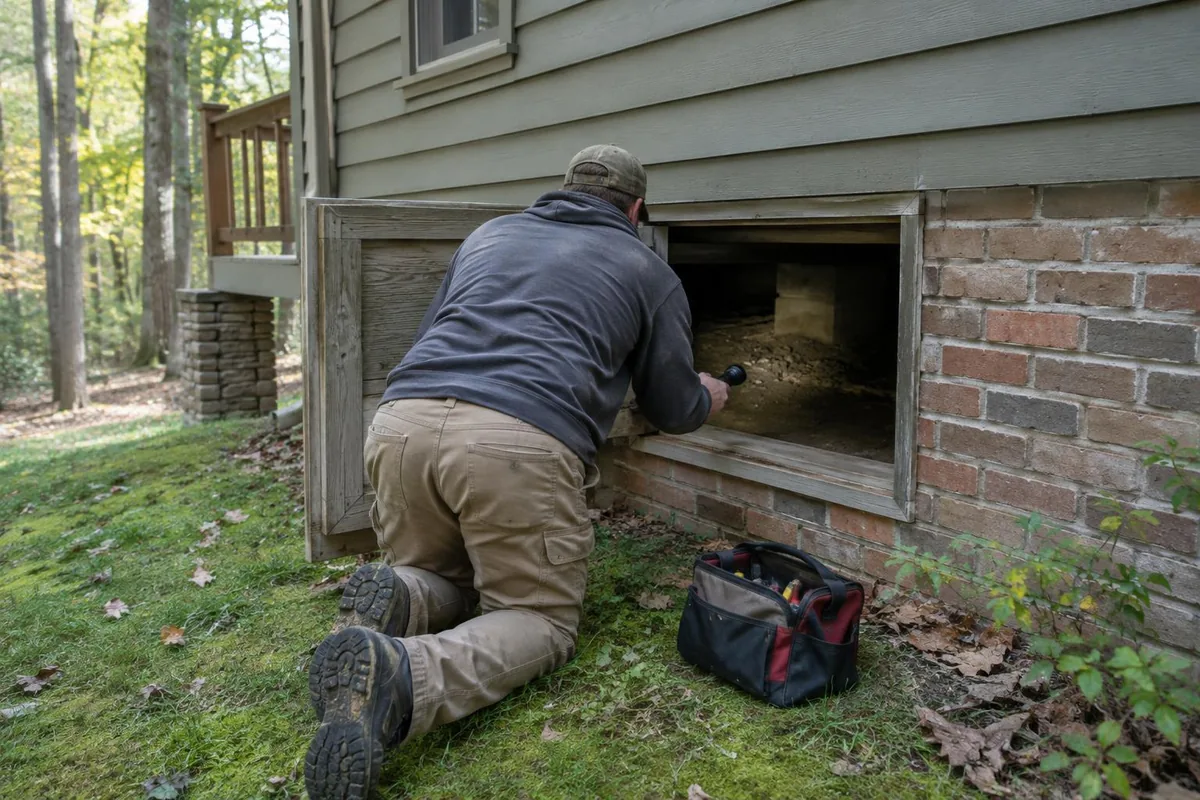
The crew lays perimeter drain pipe, sets the sump pit at the low point and slopes the floor toward it. Drainage work installed with an encapsulation usually takes under a day, and longer runs or hard soil add time. The crew sets plastic under the work area and sweeps up each day, so soil and gravel never end up in the house.

4. Pump, Discharge and Matting

The pump goes into the pit with a discharge line that carries water away from the foundation. Drainage matting goes on the floor or walls where seepage shows, and a battery backup is added when you want protection through power outages. Storms that flood a crawl space often cut power too, so the backup gives the pump a second source and keeps the pit from filling.

5. Test and Walk-Through

We pour water into the pit to confirm the pump runs and the line clears. You get a walk-through, the pump details and a yearly check list. If you want the space sealed, we move on to the liner and dehumidifier. If you want to wait, the system stands on its own, and you can add sealing later when your budget allows.

Crawl Space Waterproofing FAQs: Asheville, NC

How much does crawl space waterproofing cost in Asheville?

A crawl space drainage system in Asheville typically runs $4,000 to $6,750, and a sump pump installed alone runs $1,125 to $1,900. Drain length, pit depth and battery backup change the quote.

Is a vapor barrier enough to waterproof a crawl space?

A vapor barrier stops moisture vapor from the soil, but it does not stop liquid water from entering or flooding the space. Drainage is needed when water collects, and the liner goes over it.

How long does crawl space waterproofing take?

Drainage work installed with an encapsulation usually takes under a day. Longer drain runs, hard soil or extra pits add time, and the estimator gives you a schedule with the quote.

Why does my crawl space flood only in storms?

Heavy rain raises groundwater and overwhelms old grading and drains. Asheville rainfall has risen since 1970, so spaces that stayed dry for years can flood in a storm.

Do I need a sump pump in my crawl space?

A pump is needed when water collects below the level of the drain or pools in a low spot. A pit and pump move that water out of the space before it reaches the framing.

Can waterproofing stop mold?

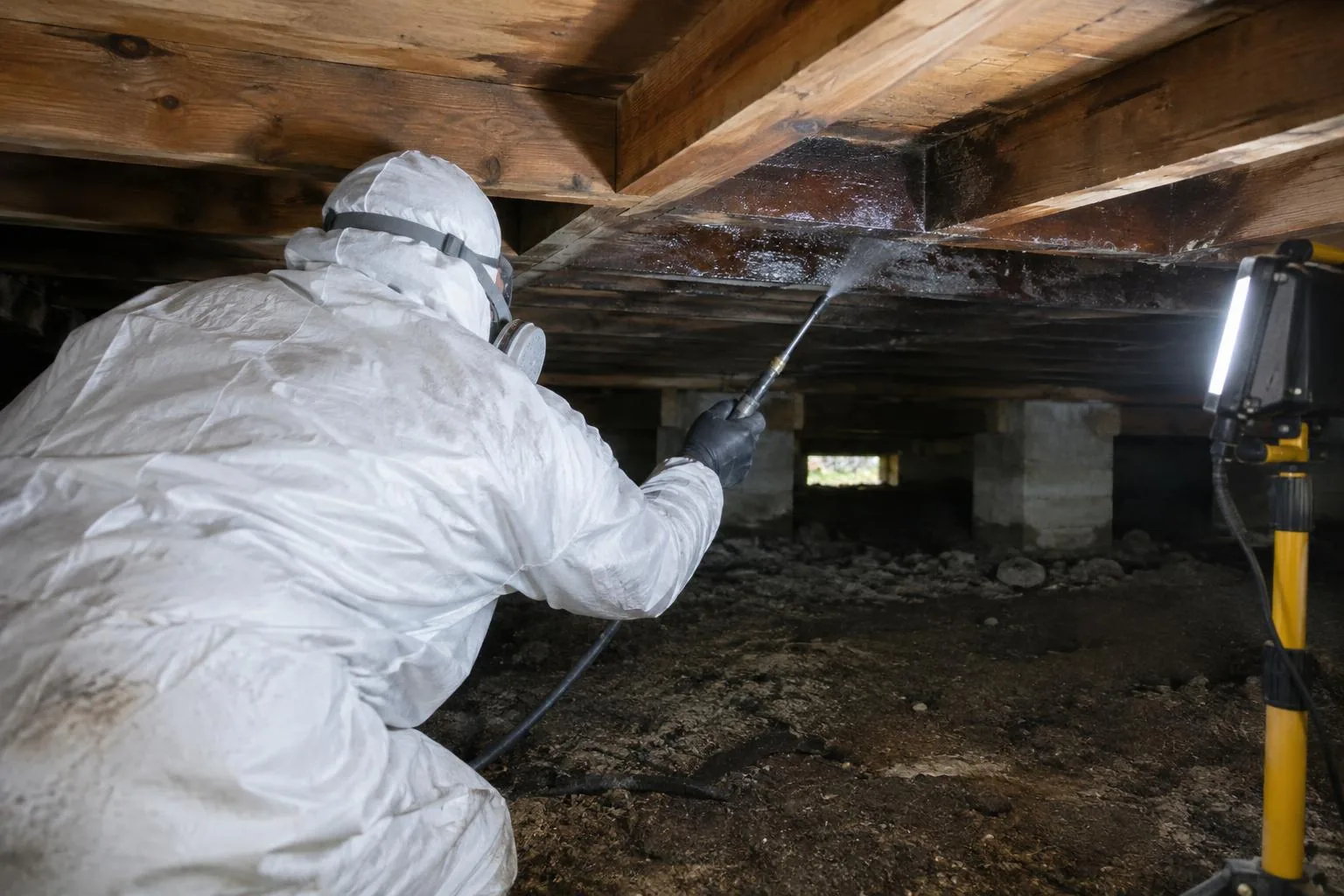
Waterproofing removes the water that feeds mold. Existing growth is cleaned and treated separately, and we can do both in the same visit.

Do I need a permit for crawl space waterproofing?

Drainage alone may not need one, but converting a vented crawl space to a closed one does in North Carolina. We check with the permit office for your address before work starts.

Foundation and Crawl Space Pros serves Asheville and Buncombe County.

Get a Free Crawl Space Waterproofing Quote in Asheville, NC

Mon–Fri 7am–6pm · Sat 8am–2pm

Call Now Free Quote