Call NowCall
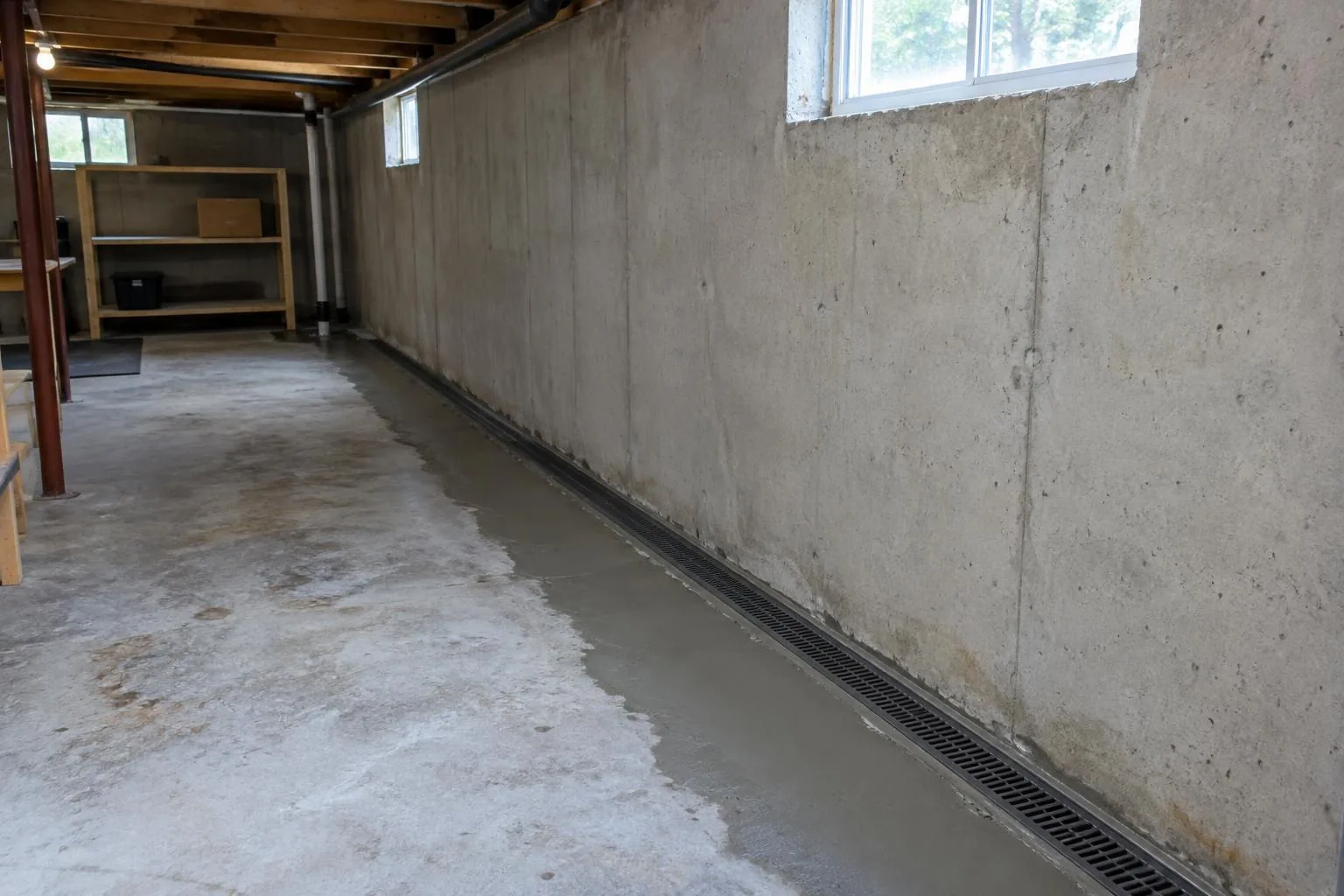
Unfinished basement with a new interior drain channel set in the concrete floor along the wall

Basement Waterproofing Asheville NC: Basement Waterproofing Company and Wet Basement Repair

Trusted Basement Waterproofing and Wet Basement Repair in Asheville, NC and Buncombe County

  • Free quotes
  • Moisture source first
  • Permit handled

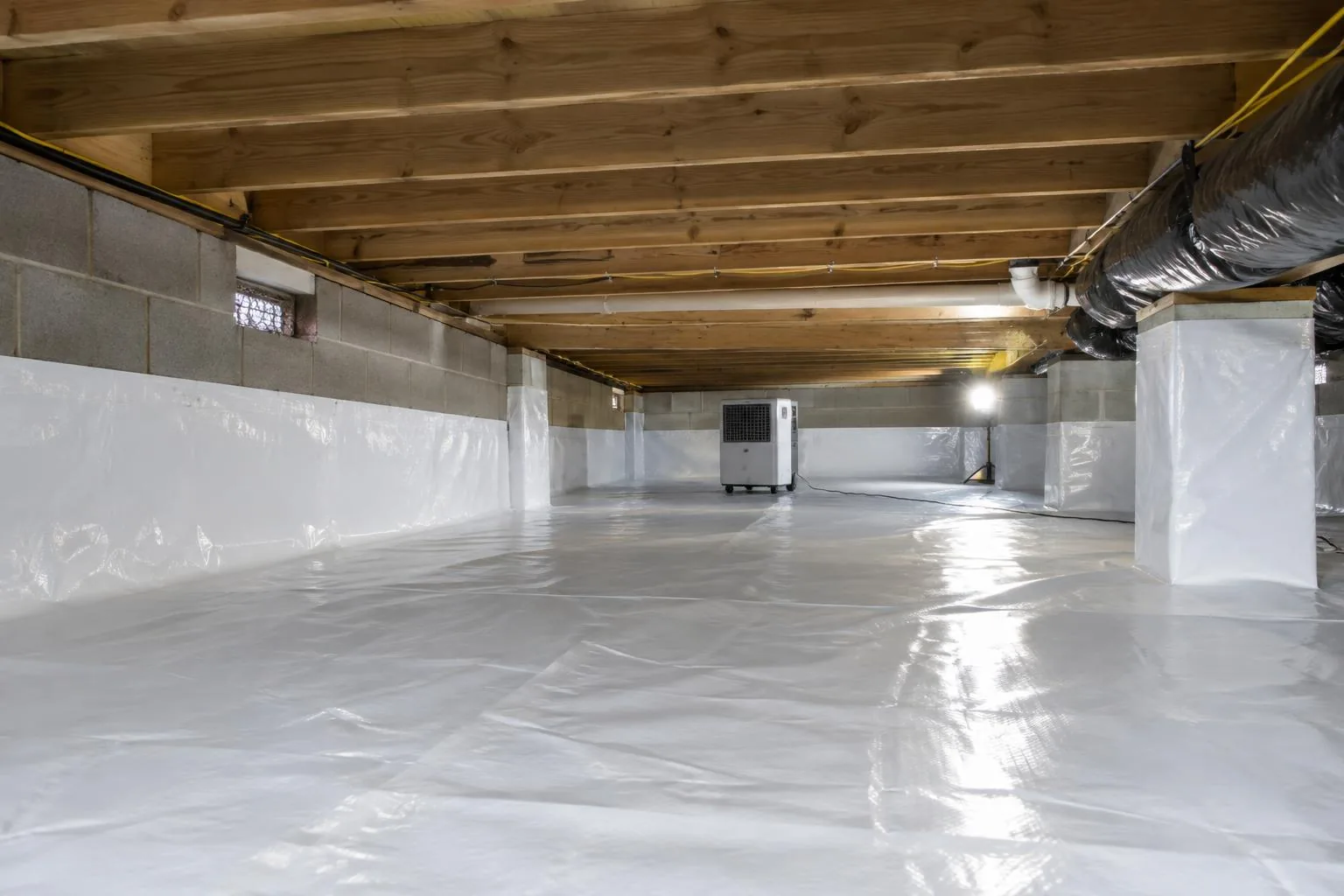
Foundation and Crawl Space Pros handles basement waterproofing in Asheville, NC for homeowners in Buncombe County whose basements leak in heavy rain, smell of damp concrete or stay clammy through summer. Our crew finds where the water enters, installs interior drainage to catch it, sets a sump pump to move it out and seals the walls where seepage shows. Finished basements, garage-level rooms and utility basements each get a plan that fits their use. Homes with a damp crawl next to the basement can add crawl space encapsulation.

Why homeowners choose us:

  • Free quotes for crawl spaces, basements and foundation walls
  • Moisture source first drainage and leaks fixed before any liner goes down
  • Permit handled closed crawl space conversions pulled under the NC code
  • Licensed and insured seven years in business, certificate on request

We bring seven years of local basement work, and our crew is licensed and insured in North Carolina. Damp floors below the house go to crawl space waterproofing. Quotes are free, and each piece of the system is priced on its own line. During the visit we look over the foundation walls and say what we see and what needs to be done, with no promise of structural fixes.

Get a FREE Crawl Space Encapsulation Quote

No obligation. Free quote.

What Basement Waterproofing Involves in Asheville, NC

A waterproofing system collects water before it reaches the floor and moves it out of the house, whether the call is for a leak in one corner or a basement that floods. Most Asheville jobs combine the parts below, and the quote lists only the ones your basement needs:

  • Leak tracing is where basement leak repair starts, and it follows water to a wall crack, a floor joint or a window well, so the repair targets the real entry point.
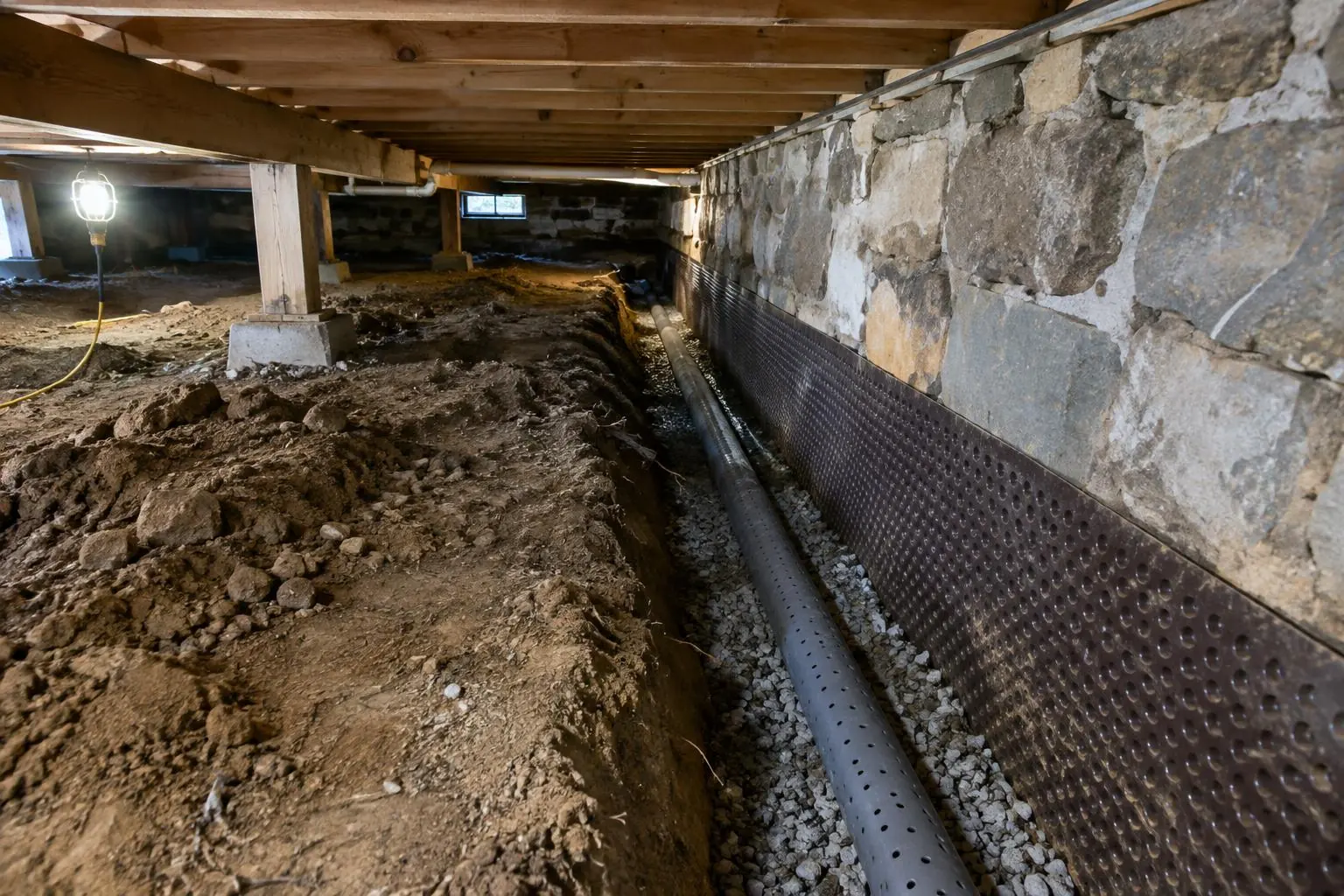
  • Interior drain channel is interior basement drainage set along the footing under the floor edge, which catches seepage before it spreads across the slab.
  • Sump pit and pump receive the drain water and push it out through a discharge line, as covered in our sump pump installation page.
  • Wall sealing closes cracks and joints, so water stops entering through masonry.
  • Floor and wall drainage matting gives moisture a path down to the drain, so it never sits against finished walls.
  • Discharge line routing carries pumped water well away from the foundation, so it cannot cycle back to the pit.
  • Window well drainage keeps rain from pooling at basement windows during storms.
  • Dehumidification is basement moisture control once the water is stopped, using the same units we place in crawl space dehumidifier installation jobs.
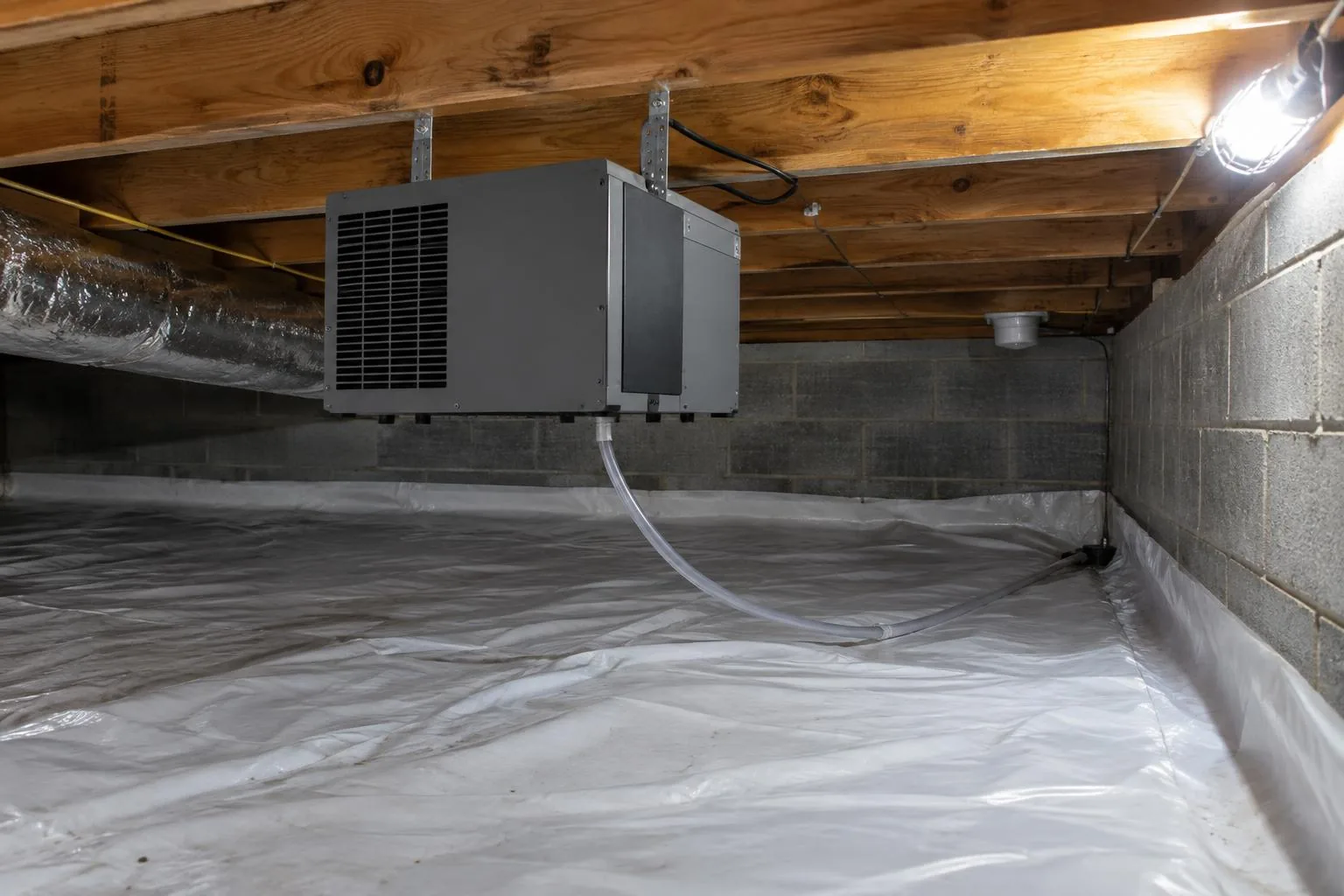
Dehumidifier hung from a joist in a sealed crawl space with a drain hose to the corner

Signs You Need Basement Waterproofing in Asheville

Basement water problems announce themselves long before a flood, which is why a basement waterproofing company gets the call after the first stain. Homeowners tend to describe the moment water shows up, the smell that arrives first or the stain that keeps returning, and each is a sign that groundwater is finding a way in.

What Do Asheville Homeowners Notice Down There?

  • Water under the garage door after a downpour means runoff is reaching the lowest slab, and a drain plus pump is the fix.
  • Leaks in a finished basement on and off with heavy rain point to wall seepage that soaks drywall and carpet.
  • White powder on masonry shows water has passed through the wall and left minerals, so the wall is wet behind the surface.
  • Damp, musty air comes from moisture rising out of the slab and walls, which spreads mold if left.
  • Cracks that weep after storms let in water at the same spot each time, and sealing plus drainage stops the cycle.

Why Basement Waterproofing Is Harder in Asheville

Mountain terrain, steady rain and aging foundations make wet basement repair a recurring request here. Four local conditions shape every waterproofing plan in the area, and each one explains a line on your quote.

Steady Rain on Sloped Lots

Asheville averages 45.57 inches of rain a year, and many lots slope toward the house. Runoff that cannot move past the foundation builds pressure against basement walls, so interior drainage and a pump are sized for steady inflow instead of a single storm. Hillside homes in Kenilworth and West Asheville often sit below the street, which sends even more water toward the walls.

Storms Hit Harder Than Before

Yearly rainfall has risen 7.7 inches since 1970, and hourly rain is 14% heavier. Foundation drains built for gentler rain fall behind, so basements that were dry for decades start to seep and the sump pit gets a stronger pump. A homeowner who saw no water in 2005 can see it every spring now.

Older Stone and Block Walls

Homes from the early 1900s in neighborhoods such as Montford stand on stone, and many newer basements are block. Both materials pass water through joints, so wall sealing and drainage matting are used together instead of relying on paint. Masonry paint peels when water pushes from behind, and the moisture stays inside the wall.

Permit and Inspection Rules

Foundation inspections in Buncombe County cover drainage and dampproofing or waterproofing, so the work is done to be inspected. The crew checks with the city or county permit office for your address before starting.

How Much Does Basement Waterproofing Cost in Asheville, NC?

Interior basement waterproofing in Asheville typically costs $5,800 to $9,800 for a complete system with a drain channel, sump pit and pump. A sump pump installed on its own runs $1,125 to $1,900. Wall length, how much of the floor must be opened, pump capacity, battery backup and the amount of wall repair all move the figure. Your free quote lists the drain, the pit, the pump and any wall sealing as separate lines, so you can see where the money goes.

Our Basement Waterproofing Process in Asheville, NC

Five steps move a wet basement to a dry one, and the install step explains how long the work takes.

1. Call and Describe the Water

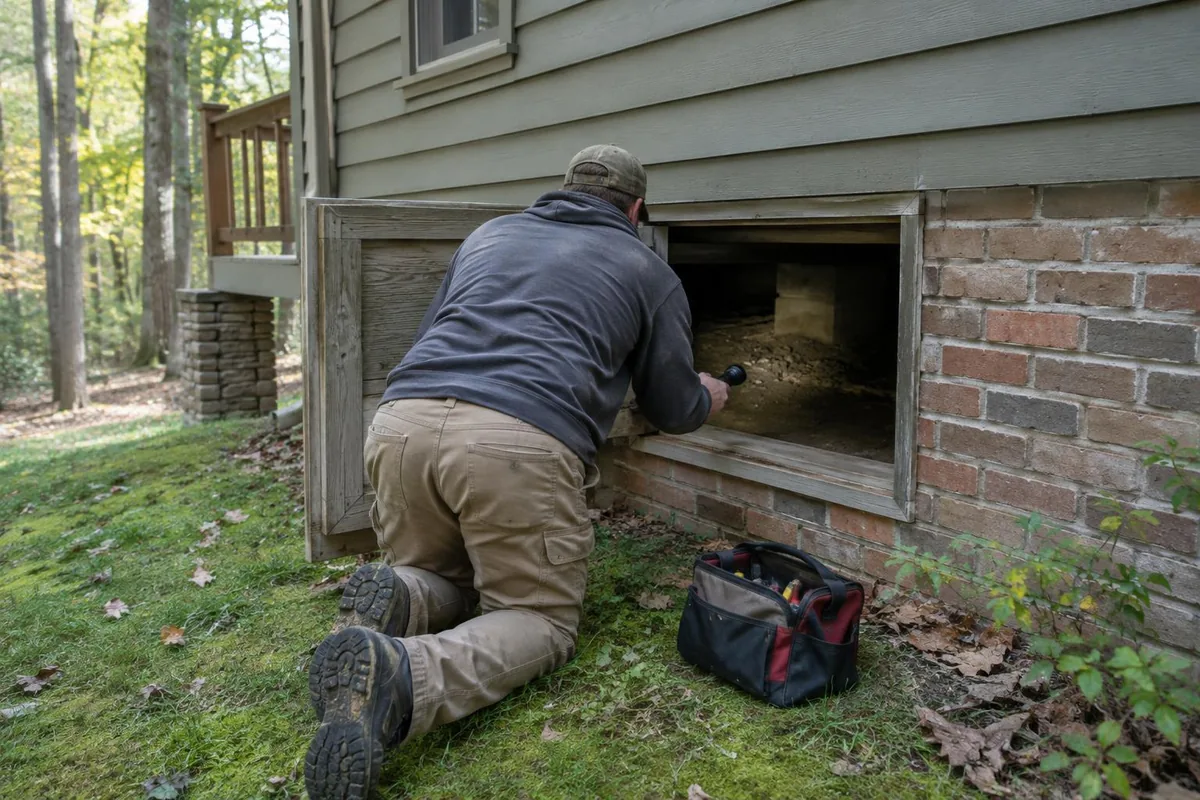
You tell us where water shows up, how often and what rain level triggers it. Photos of stains, cracks or the garage door threshold help us prepare for the visit, and we ask when the last leak happened so the estimator knows what to look for. Moving stored items away from the walls before the visit helps, but the crew can also work around them.

2. Inspection and Free Quote

The estimator traces the water to its entry points, checks the floor, the walls and the window wells, and looks for foundation cracks. You receive a free quote with the drain, pit, pump and sealing each priced separately. If the foundation looks like it needs more than waterproofing, the estimator names the issue and what needs to be done. A clear price per part lets you compare our bid with any other.

3. Floor Opening and Drain Installation

The crew opens a strip of floor along the footing, lays the drain channel and sets the sump pit at the low point. Concrete dust is contained with plastic barriers and a vacuum, and debris leaves with us each day. Drain and pit work usually takes one to two days depending on the length of the wall and the floor type.

4. Pump, Discharge and Wall Sealing

The pump goes into the pit with a check valve and a discharge line routed away from the foundation. Cracks and joints are sealed, and matting goes on walls that are wet. A battery backup is added when you want the pump to run through a power outage, since storms that raise groundwater also tend to cut power. The crew tests each connection before closing the floor.

5. Test, Patch and Walk-Through

We pour water into the pit to confirm the pump starts and the discharge line clears. The floor is patched, and you get a walk-through of the system, the pump controls and the steps for checking it before storm season each year. You also get the pump model and the warranty paperwork, so any future service call starts with the right information.

Basement Waterproofing FAQs: Asheville, NC

How much does basement waterproofing cost in Asheville?

Interior basement waterproofing in Asheville usually runs $5,800 to $9,800, and a sump pump installed alone runs $1,125 to $1,900. Wall length, floor type, pump size and battery backup change the quote.

Is interior or exterior basement waterproofing better?

Interior systems catch water at the footing and avoid digging up the yard, so they suit most Asheville basements and finished rooms. Exterior work digs along the foundation wall and costs more, so we recommend it only when the wall itself is failing.

How long does basement waterproofing take?

Most interior systems take one to two days for the drain and pit, plus time for the pump and sealing. Larger basements or heavy wall repair add days, and the estimator gives you a schedule with the quote.

Why does my Asheville basement leak only in heavy rain?

Heavy rain raises groundwater and pushes water through cracks and joints that stay dry the rest of the year. Rainfall in Asheville has increased since 1970, so older drains often cannot keep up.

Do I need a sump pump with a basement drain?

A drain channel collects water, and a sump pump moves it out of the house. Without a pump the pit fills and the water goes back to the floor.

Can you fix foundation cracks in the basement wall?

We seal cracks that let water in and add drainage. If a crack suggests the wall is moving, we say what we see and what needs to be done, without promising a structural repair.

Does basement waterproofing stop mold?

Waterproofing removes the moisture source, which is what feeds mold. Existing growth is treated separately, and we can clean it in the same visit.

Foundation and Crawl Space Pros serves Asheville and Buncombe County.

Get a Free Basement Waterproofing Quote in Asheville, NC

Mon–Fri 7am–6pm · Sat 8am–2pm

Call Now Free Quote