Call NowCall
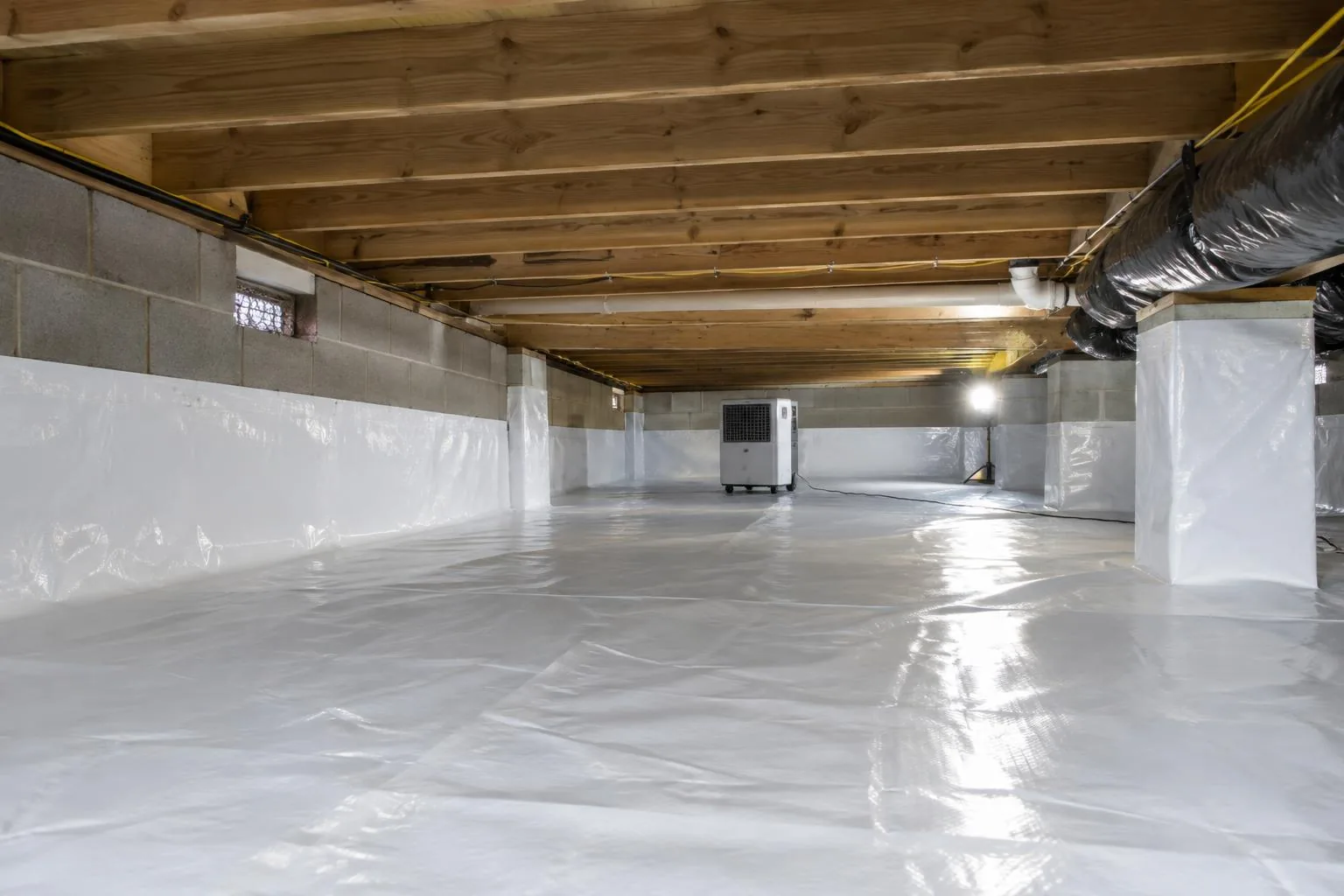
Sealed crawl space with white vapor barrier on the floor and walls and a dehumidifier in the distance

Crawl Space Encapsulation Services Asheville NC: Crawl Space Encapsulation Company and Encapsulate Crawl Space

Experienced Crawl Space Encapsulation and Sealing in Asheville, NC and Buncombe County

  • Free quotes
  • Moisture source first
  • Permit handled

Foundation and Crawl Space Pros provides crawl space encapsulation services in Asheville, NC for homeowners across Buncombe County who want dry, sealed ground under the house. A good encapsulation company does more than lay plastic. We cover the floor and walls with a heavy vapor barrier, close the vents and treat mold. Drainage goes in where water collects, and a dehumidifier holds humidity down. Bungalows, ranch homes and older stone-foundation houses all qualify.

Why homeowners choose us:

  • Free quotes for crawl spaces, basements and foundation walls
  • Moisture source first drainage and leaks fixed before any liner goes down
  • Permit handled closed crawl space conversions pulled under the NC code
  • Licensed and insured seven years in business, certificate on request

Our crew has seven years of crawl space work behind it, and the people on your crawl space are licensed and insured in North Carolina. Quotes are free and priced in parts, so the liner, the insulation, the drainage and the dehumidifier show as separate lines. If water or mold is the real problem, we say so and fix that first, and we look at the foundation while we are under the house. Wet basements in the same house go through basement waterproofing.

Get a FREE Crawl Space Encapsulation Quote

No obligation. Free quote.

What Crawl Space Encapsulation Involves in Asheville, NC

A complete encapsulation in Asheville includes the pieces below. Each piece is priced and scheduled as its own part of the job, so a crawl space that needs only some of them never pays for the rest of the list:

  • Debris and wet insulation removal clears the space so the liner lies flat and soaked batts never get sealed in.
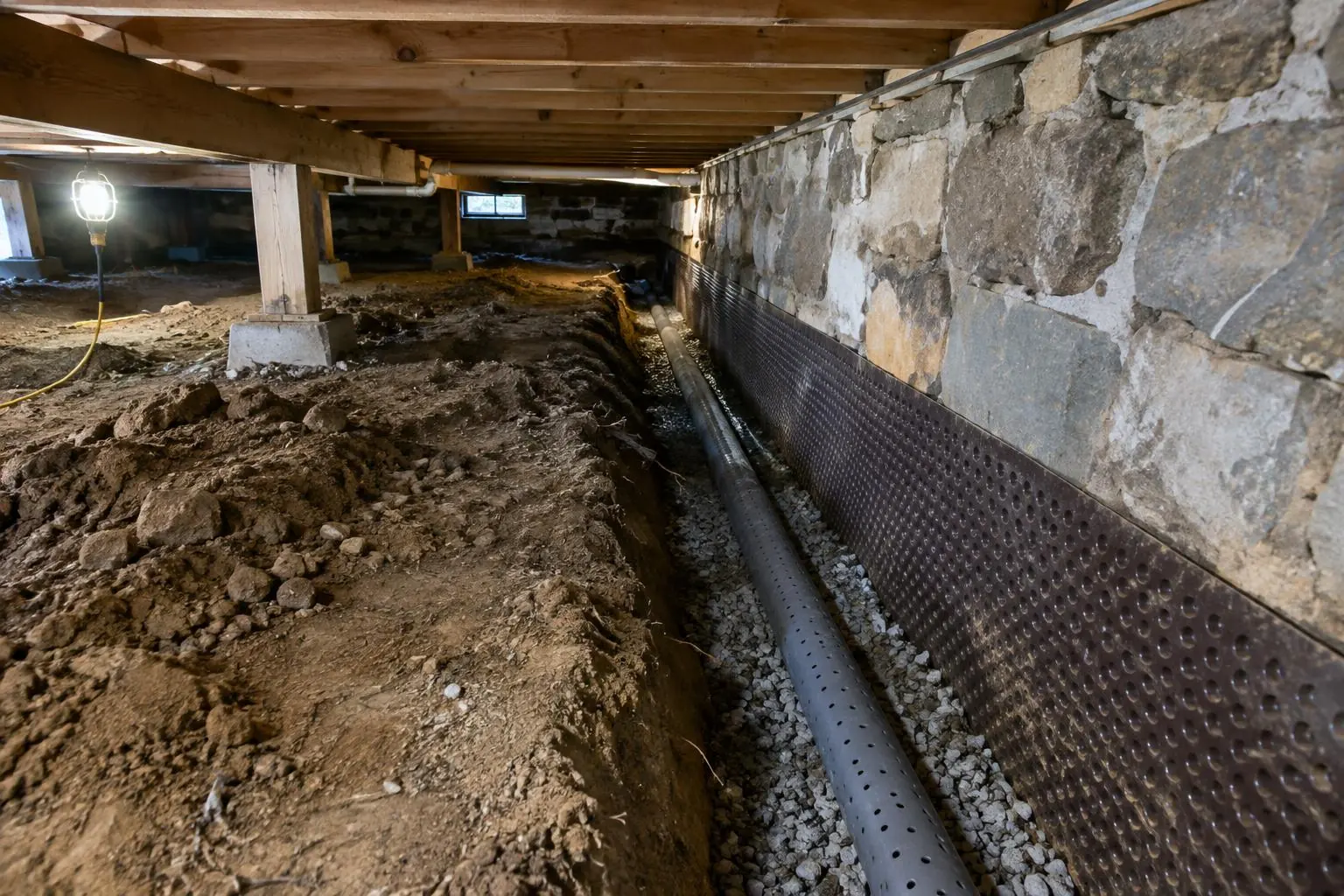
  • Moisture source repair fixes leaks and grading problems, with crawl space waterproofing added when liquid water collects, so the barrier is not asked to hold back a flood.
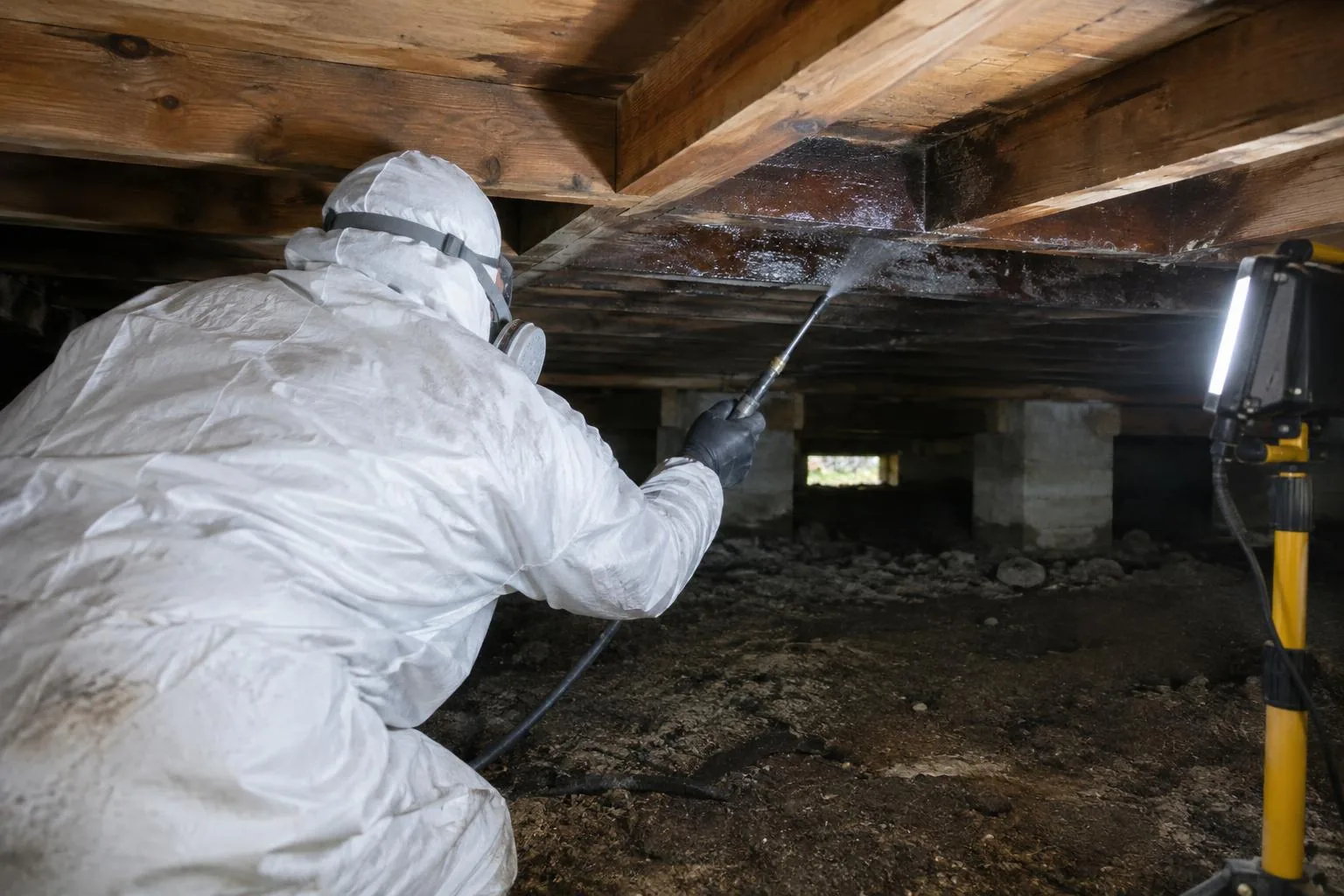
  • Mold treatment cleans joists, subfloor and sill plates before covering, and mold removal is scheduled first when growth has spread.
  • Floor vapor barrier is a reinforced crawl space vapor barrier overlapped and taped at every seam, so moisture in the soil cannot rise into the air.
  • Wall liner is the crawl space liner that runs up the foundation walls and is fastened at the top, which stops vapor passing through block and stone.
  • Vent sealing is crawl space sealing at the foundation vents, and it means humid outside air no longer condenses on cooler joists in summer.
  • Rigid wall insulation goes on the walls where the space calls for it, which keeps the floors above from running cold.
  • Dehumidifier setup includes a drain or condensate pump and its own outlet, covered in crawl space dehumidifier installation.
  • Sump pit and pump collect water that still reaches the space, and our sump pump installation page covers backup power.
  • Permit and inspection are filed for the conversion to a closed crawl space, so the job is documented.
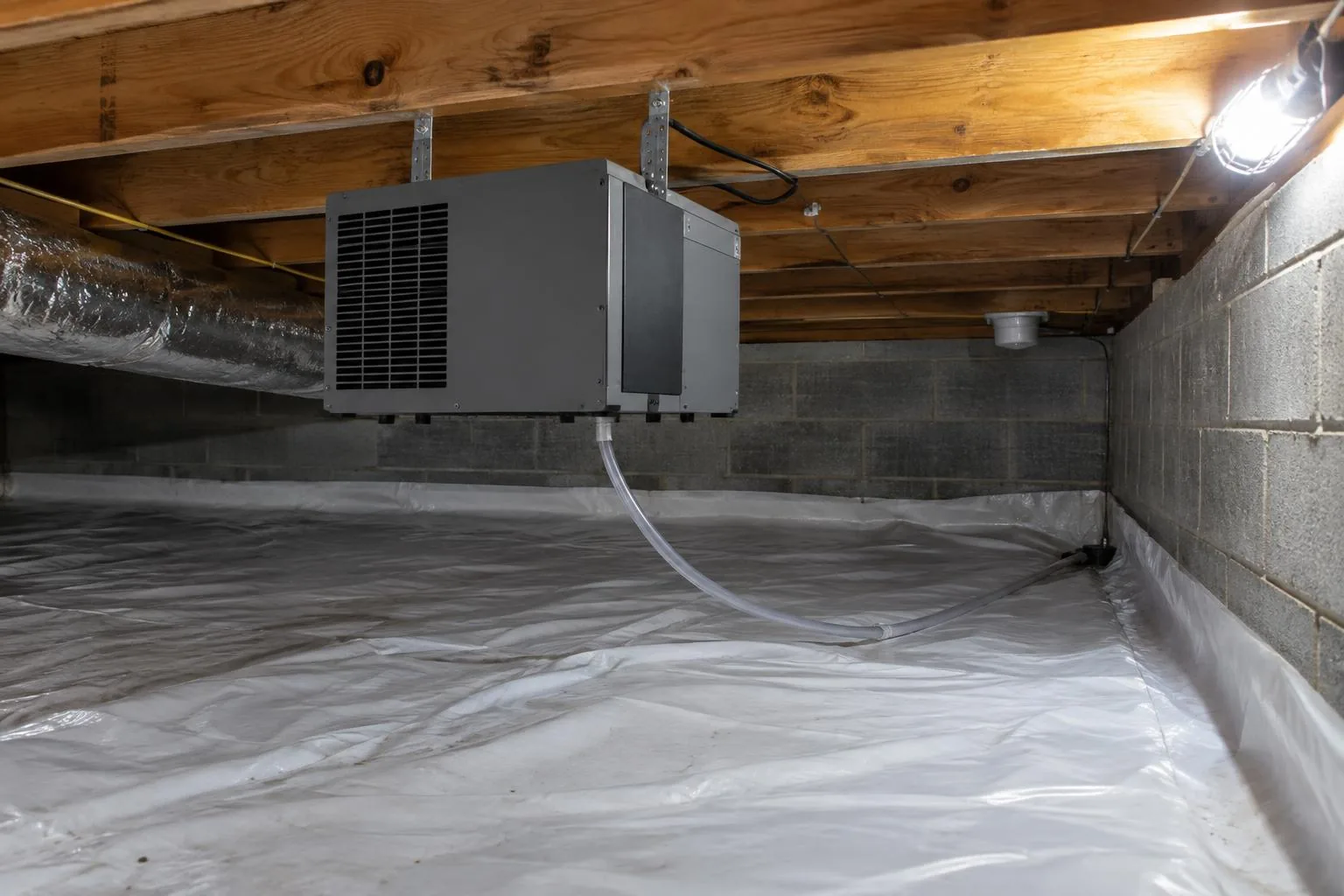
Dehumidifier hung from a joist in a sealed crawl space with a drain hose to the corner

When You Need Crawl Space Encapsulation in Asheville

Homeowners seldom call about a liner. They call about what the crawl space is doing to the house, and the signs below are the ones that lead to a sealed, dried space.

What Do Homeowners See Before They Call?

  • A musty smell in the house means mold or damp insulation below the floor, and it gets stronger every summer if left.
  • Floors that sag or warp show the subfloor has been holding moisture, and rot follows when it stays wet.
  • Wet insulation hanging from the joists has stopped insulating and holds water against the wood.
  • Pest droppings under the house point to a damp, sheltered space that rodents and insects prefer.
  • Damp, heavy air indoors all summer comes from the crawl space through the floor, and sealing the space cuts the supply.

Why Crawl Space Encapsulation Is Harder in Asheville

Four local conditions decide how an encapsulation in Asheville is designed. Each one points to a part of the job that cannot be skipped, and each one explains why a plastic sheet alone fails here.

Rain Totals and Afternoon Humidity

Asheville averages 45.57 inches of rain a year and about 75% relative humidity at 1 p.m. Damp ground under the house keeps feeding a vented crawl space all year. Humid air pulled in through the vents condenses on cooler joists in summer, so the liner has to cover the whole floor and the vents have to close.

Storms Are Getting Heavier

Yearly rainfall has risen 7.7 inches since 1970, and hourly rain is 14% more intense. Yards graded decades ago shed water more slowly than a modern storm delivers it, and a perimeter drain can fall behind. Drainage gets added whenever the crawl space has held standing water, since a liner cannot hold back liquid.

Stone Foundations in Montford

About six hundred homes in Montford were built between 1890 and 1920, many on heavy stone. Stone and mortar pass vapor and groundwater, so the wall liner is run up the wall and sealed at the top. Homes in Kenilworth and West Asheville get the same wall-by-wall check, because age and slope vary house to house.

A Permit Comes With the Job

North Carolina requires a permit to convert a vented crawl space to a closed one. The state code also requires one drying method for every closed crawl space, so the dehumidifier is part of the design from the first quote and never an upsell added on install day.

How Much Does Crawl Space Encapsulation Cost in Asheville, NC?

Asheville prices follow what the crawl space needs. A sealed floor and walls with no equipment costs far less than a full job with drainage, mold treatment and a dehumidifier, so each piece is quoted on its own line. Our crawl space encapsulation cost page covers the price factors in more detail.

JobTypical priceKey variables
Vapor barrier and sealing only$2,075 to $3,500Barrier thickness, wall coverage, vent sealing
Full crawl space encapsulation$4,400 to $7,425Insulation type, moisture damage found, access to the space
Crawl space dehumidifier installed$1,600 to $2,700Unit capacity, drain route, electrical run
Crawl space mold removal$1,000 to $1,700Extent of growth, insulation removed, subfloor condition
Crawl space drainage system$4,000 to $6,750Drain length, sump pit, existing drainage
Sump pump installed$1,125 to $1,900Pit depth, battery backup, discharge line length

Our Crawl Space Encapsulation Process in Asheville, NC

Five steps take a damp crawl space to a sealed one, and step 4 carries the work and says how long it takes.

1. Call and Schedule the Visit

You describe the smell, the standing water or the high humidity, and we book a time at the house. A photo of the access panel helps us plan, but nothing has to be ready. We confirm where the crew parks, which door it uses and how the opening gets cleared, so the visit starts on time.

2. Camera Check and Free Quote

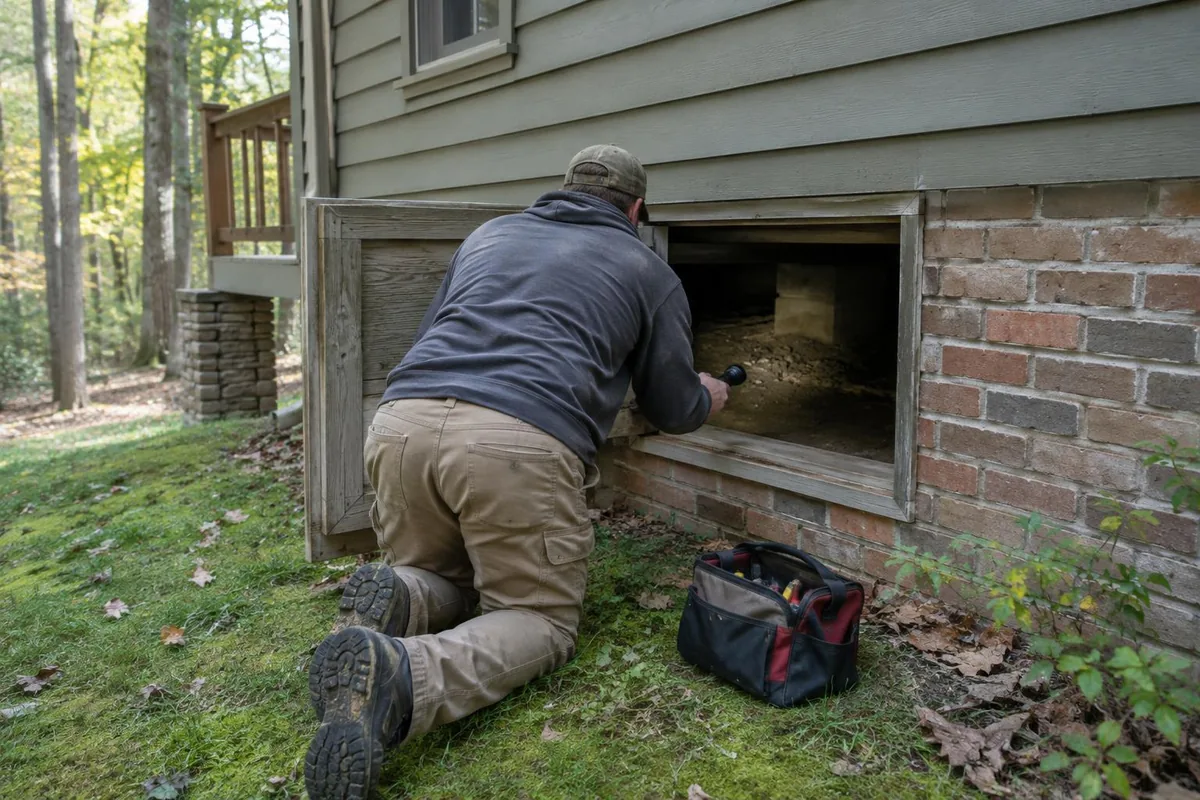
The estimator crawls the space with a camera and checks soil, joists, insulation, vents and foundation walls for water, mold and rot. You receive a free quote that prices each part separately. If the foundation walls show cracks or movement, the estimator tells you what needs to be done and what the crew can and cannot take on.

3. Fix the Water and Treat the Mold

Leaks and drainage are corrected first, mold is cleaned from the framing and soaked insulation is removed. Treating growth before the plastic goes down adds about a day to the schedule. Sealing over mold is never part of our plan, because hidden growth gets worse and nobody can see it spread. Drainage fixes happen on the same visit when the camera showed standing water, which keeps the schedule to one trip.

4. Liner, Insulation and Dehumidifier

The crew lays the floor liner, runs the wall liner up the foundation, tapes every seam, closes the vents and installs the dehumidifier. A full encapsulation usually takes 1 to 3 days on site. Larger spaces, extra drainage or heavy debris add time, and a dehumidifier hookup alone takes 2 to 5 hours. The dehumidifier goes in last so the new liner is never walked on again.

5. Permit Inspection and Walk-Through

We file the closed crawl space permit and schedule the inspection. You get a walk-through of the sealed space, the dehumidifier settings and the permit paperwork. Closed crawl spaces that lost power to the dehumidifier have gone damp again, so you also learn which breaker feeds the unit, how to read its humidistat and when to check the liner seams each year.

Crawl Space Encapsulation FAQs: Asheville, NC

How much does crawl space encapsulation cost in Asheville?

Crawl space encapsulation in Asheville typically runs $4,400 to $7,425 for a full job and $2,075 to $3,500 for a vapor barrier and sealing only. Insulation type, moisture damage found and access to the space move the price, and the free quote lists each part separately.

What is the difference between a vapor barrier and full encapsulation?

A vapor barrier covers the ground, while full encapsulation also lines the walls, closes the vents and adds drying equipment. A liner alone does not stop water entering the space, so drainage and a dehumidifier are part of a complete job.

How long does crawl space encapsulation take?

Most encapsulation jobs take 1 to 3 days on site. Mold treatment before the liner adds about a day, and a dehumidifier hookup takes 2 to 5 hours.

Do I need a permit to encapsulate a crawl space in NC?

North Carolina requires a permit to convert a vented crawl space to a closed one, no matter what the job costs. Inside Asheville city limits the City Development Services office issues it, and we file it for you.

Does a sealed crawl space need a dehumidifier?

A closed crawl space needs one drying method under North Carolina code. A permanently installed dehumidifier with a condensate pump or drain is the usual choice, and a ducted air supply or an exhaust fan can also qualify.

Do you remove mold before encapsulating a crawl space?

Mold is cleaned and wet insulation is removed first, because growth sealed under a liner keeps spreading in the dark. We also fix the moisture source so the growth does not come back.

How long does crawl space encapsulation last?

A well-installed and maintained encapsulation lasts 15 to 20 years or more. The dehumidifier has to stay powered, and a yearly look at the seams and the pump keeps the system working.

Foundation and Crawl Space Pros serves Asheville and Buncombe County.

Get a Free Crawl Space Encapsulation Quote in Asheville, NC

Mon–Fri 7am–6pm · Sat 8am–2pm

Call Now Free Quote