Call NowCall
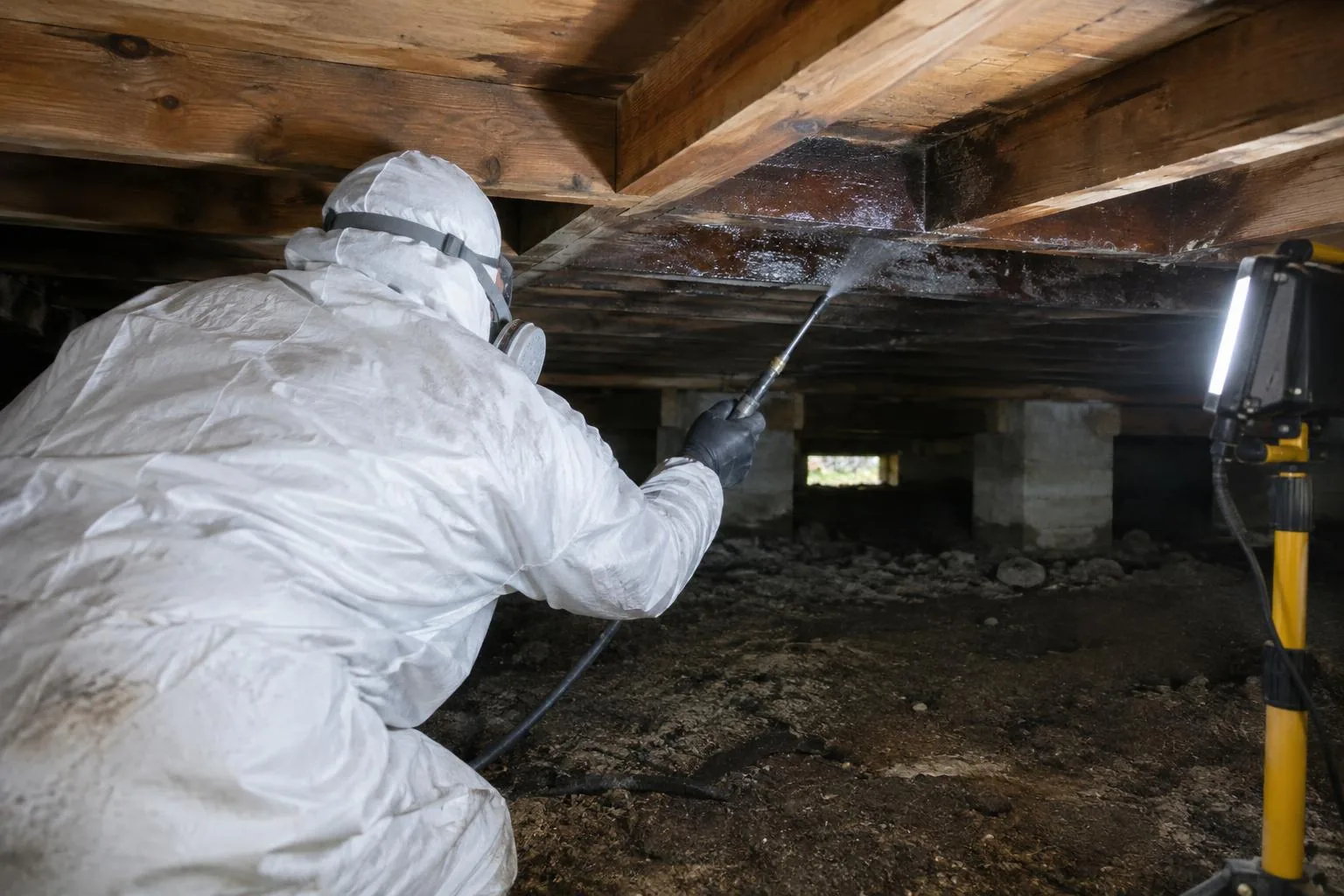
Worker in a white coverall and respirator treating dark mold on crawl space floor joists

Crawl Space Mold Removal Asheville NC: Crawl Space Mold Treatment and Mold In Crawl Space

Dependable Crawl Space Mold Removal and Mold Treatment in Asheville, NC and Buncombe County

  • Free quotes
  • Moisture source first
  • Permit handled

Foundation and Crawl Space Pros performs crawl space mold removal in Asheville, NC for homeowners who smell mildew indoors, see fuzzy growth on joists or find wet insulation hanging from the floor. The crew cleans and treats the framing, hauls out contaminated materials and fixes the moisture that fed the growth. A moldy crawl space gets a plan for the whole space, from the sill plates to the dirt floor.

Why homeowners choose us:

  • Free quotes for crawl spaces, basements and foundation walls
  • Moisture source first drainage and leaks fixed before any liner goes down
  • Permit handled closed crawl space conversions pulled under the NC code
  • Licensed and insured seven years in business, certificate on request

Our crew brings seven years of local crawl space work and is licensed and insured in North Carolina. Quotes are free and itemized, so mold treatment, insulation removal and drying equipment each show as their own line. Water that fed the growth may call for a sump pump, and our cost breakdown shows what each part runs. When the camera shows more than mold, we explain what we found and what needs to be done next.

Get a FREE Crawl Space Encapsulation Quote

No obligation. Free quote.

What Crawl Space Mold Removal Involves in Asheville, NC

Mold removal covers cleaning the growth, removing what cannot be saved and drying the space so it stays clean. A typical Asheville job includes the steps below, and the free quote keeps only those your crawl space needs:

  • Mold inspection is a crawl space mold inspection by camera of joists, subfloor, sill plates and ductwork to see how far growth has spread.
  • Wet insulation removal pulls out soaked or contaminated batts, because they hold water against the wood.
  • Surface cleaning is crawl space mold cleanup that strips surface growth from framing, so the treatment can reach the wood.
  • Mold treatment is crawl space mold treatment applied to cleaned framing, and it slows regrowth while the space dries.
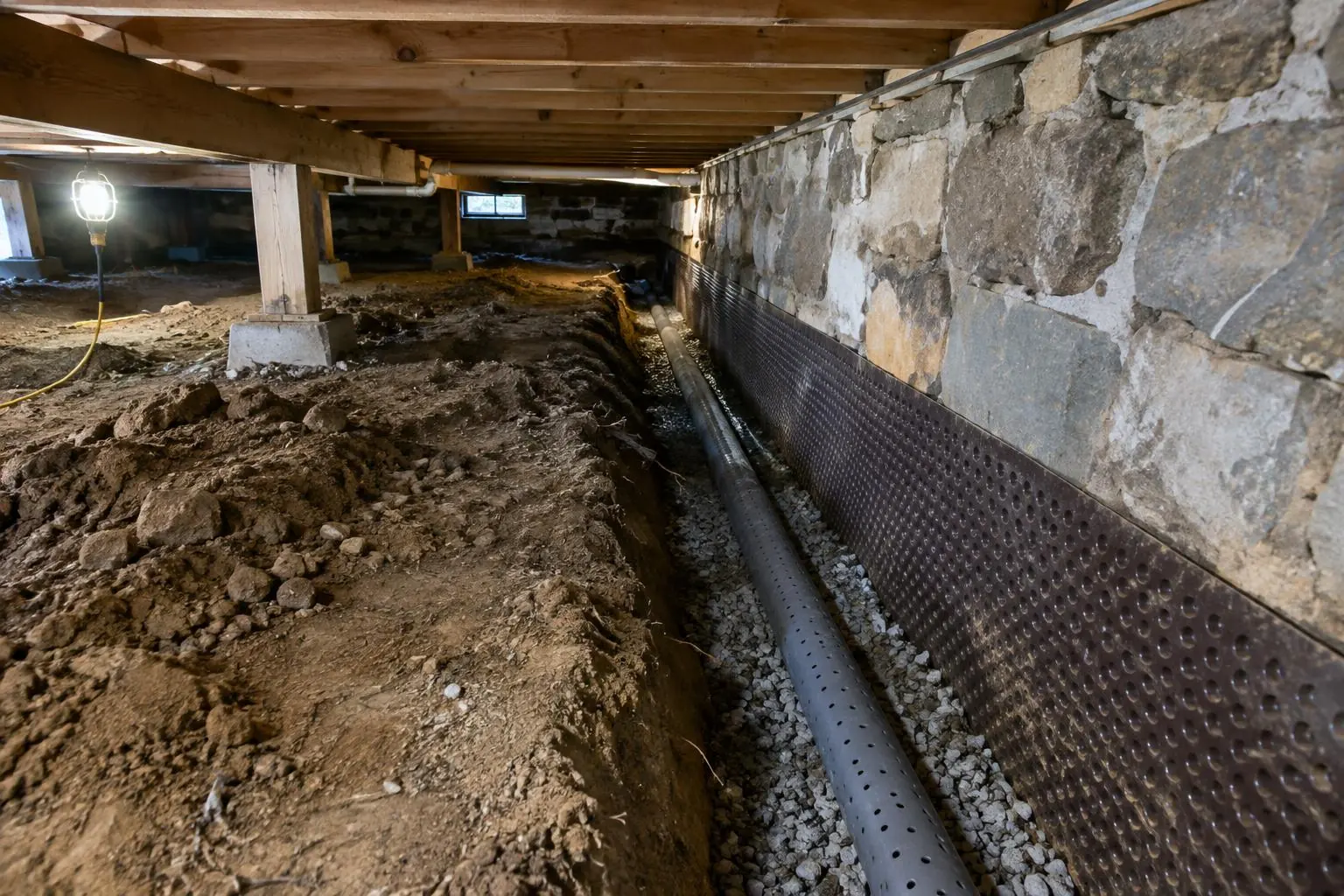
  • Moisture source repair fixes the leak, grading problem or standing water behind the growth, with drainage work described in crawl space waterproofing.
  • Debris and waste removal takes the contaminated materials out of the house and off the property.
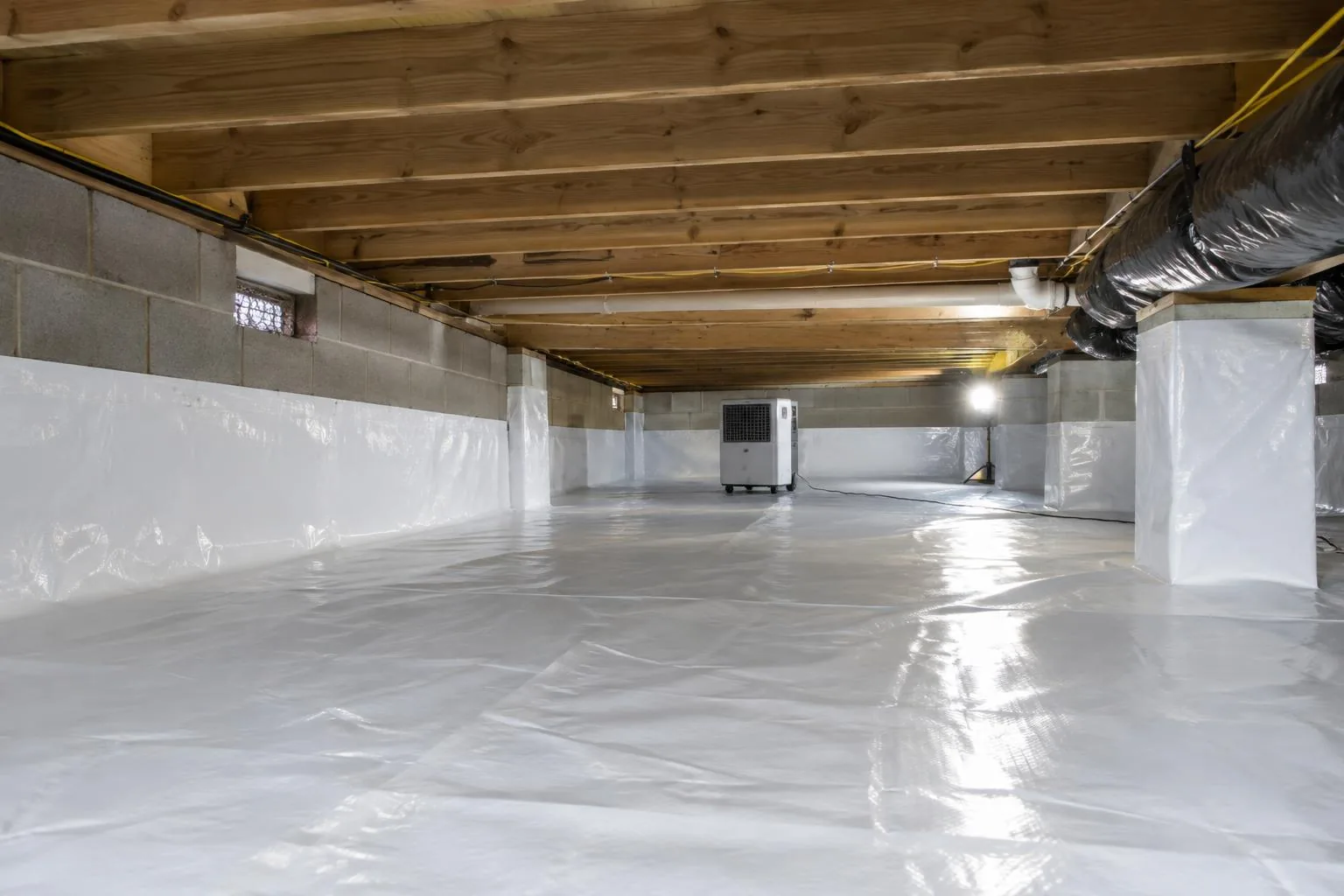
  • Dehumidifier setup holds humidity down after cleaning, as outlined in crawl space dehumidifier installation.
  • Liner and sealing closes the space once it is clean and dry, which is the crawl space encapsulation step.
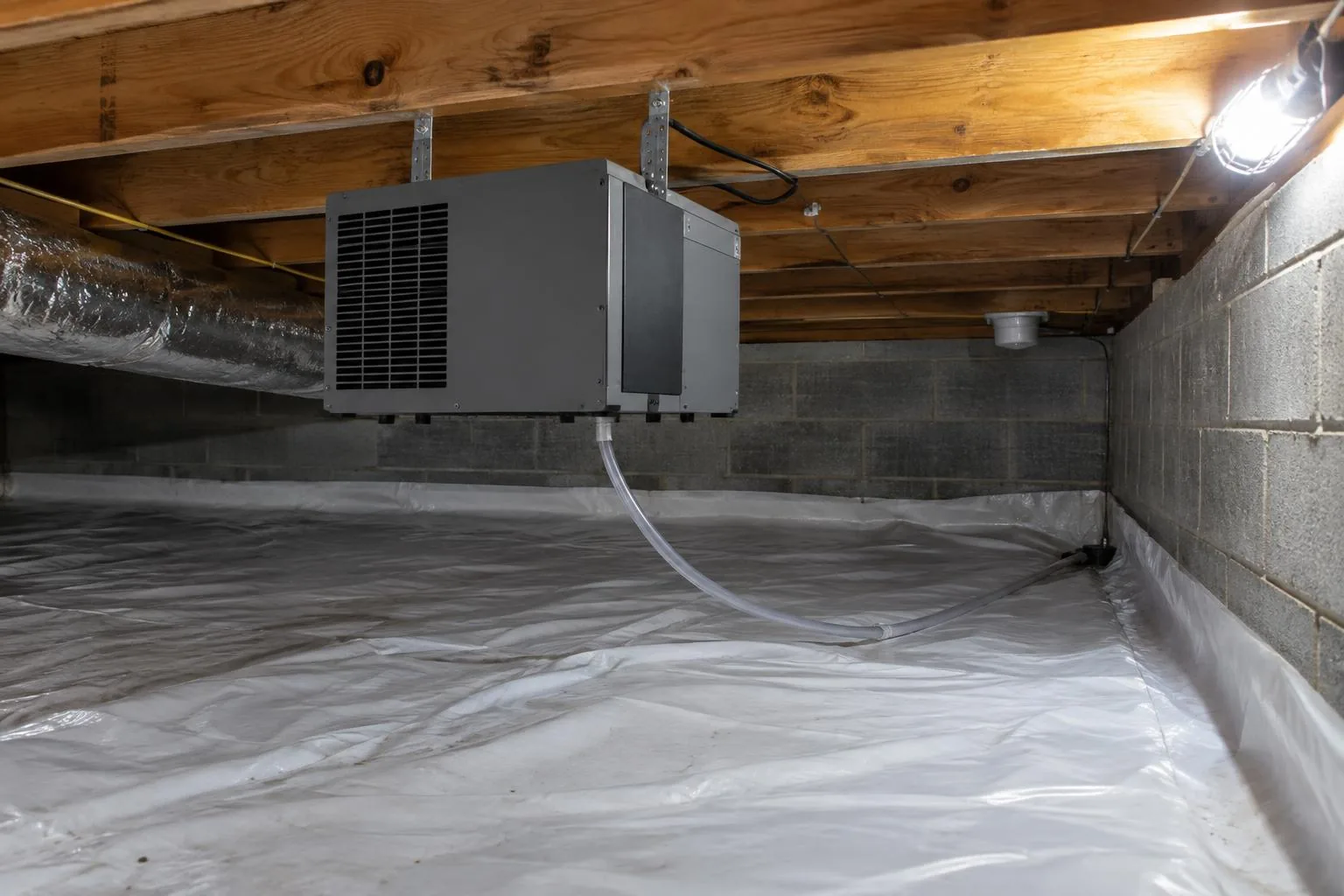
Dehumidifier hung from a joist in a sealed crawl space with a drain hose to the corner

Signs You Need Crawl Space Mold Removal in Asheville

Mold in crawl space framing shows itself indoors before anyone looks below. Homeowners notice the air first and the stains second, and each sign means the space is holding more moisture than the wood can handle.

What Do Homeowners Notice First?

  • A musty or earthy smell that grows stronger in summer means mold on framing or soaked insulation under the floor.
  • Visible white, green or black growth on joists or the subfloor shows the wood has stayed damp long enough for spores to settle.
  • Insulation that droops or stains has absorbed water, and the wood behind it stays wet.
  • Warped or soft floors tell you moisture has reached the subfloor, and rot may follow the mold.
  • Allergy-like symptoms indoors that ease when you leave the house can point to spores moving up through the floor.

Why Crawl Space Mold Removal Is Harder in Asheville

Mold needs moisture, and Asheville supplies plenty of it. Four local conditions explain why a moldy crawl space here needs both cleaning and a way to stay dry afterward, and why foundation mold treatment alone rarely lasts.

Humid Air Most of the Year

Asheville averages about 75% relative humidity at 1 p.m. and 45.57 inches of rain a year. Vented crawl spaces pull that humid air in, and it condenses on cooler joists in summer, so mold treatment is paired with vent sealing and a dehumidifier. Cleaning wood that is still being rained on from below only resets the clock.

Rain Is Arriving Harder

Rainfall has risen 7.7 inches since 1970, and hourly intensity is up 14%. More water reaches the soil under houses, so a crawl space that stayed clean for decades can develop growth, and drainage is checked on every mold job. Standing water under the floor keeps spores active for weeks after a storm.

Old Houses With Stone and Wood

Montford has about six hundred homes built between 1890 and 1920, many on stone with original wood framing. Stone passes vapor and old framing absorbs it, so the crew inspects every joist and looks for soft spots before treatment starts. Homes in Kenilworth and West Asheville get the same joist-by-joist check.

Closing the Space Takes a Permit

North Carolina requires a permit to convert a vented crawl space to a closed one. Once growth is cleaned, the state code asks for one drying method for the closed space, so the plan includes it before the liner goes in and a dehumidifier is priced on the first quote.

How Much Does Crawl Space Mold Removal Cost in Asheville, NC?

Crawl space mold removal in Asheville typically costs $1,000 to $1,700. How far the growth has spread, how much insulation must be removed and the condition of the subfloor move the price. A small patch on a few joists sits near the low end, and a space with growth across the subfloor and soaked insulation sits near the high end. A dehumidifier installed afterward runs $1,600 to $2,700. The free quote lists treatment, insulation removal and equipment on separate lines. You approve the parts you want and see what each one costs.

Our Crawl Space Mold Removal Process in Asheville, NC

Five steps clear the growth and keep it from returning, and the treatment step shows how long the work takes.

1. Call and Describe the Smell

You tell us what you notice, such as the smell, the stains or the damp floors, and we book a visit. Photos of anything you can see through the access door help us plan. We ask when the problem started and whether the house has had leaks, since a plumbing drip and a storm leak call for different repairs. Clearing the path to the access door ahead of the visit helps, and the crew handles the rest.

2. Camera Inspection and Free Quote

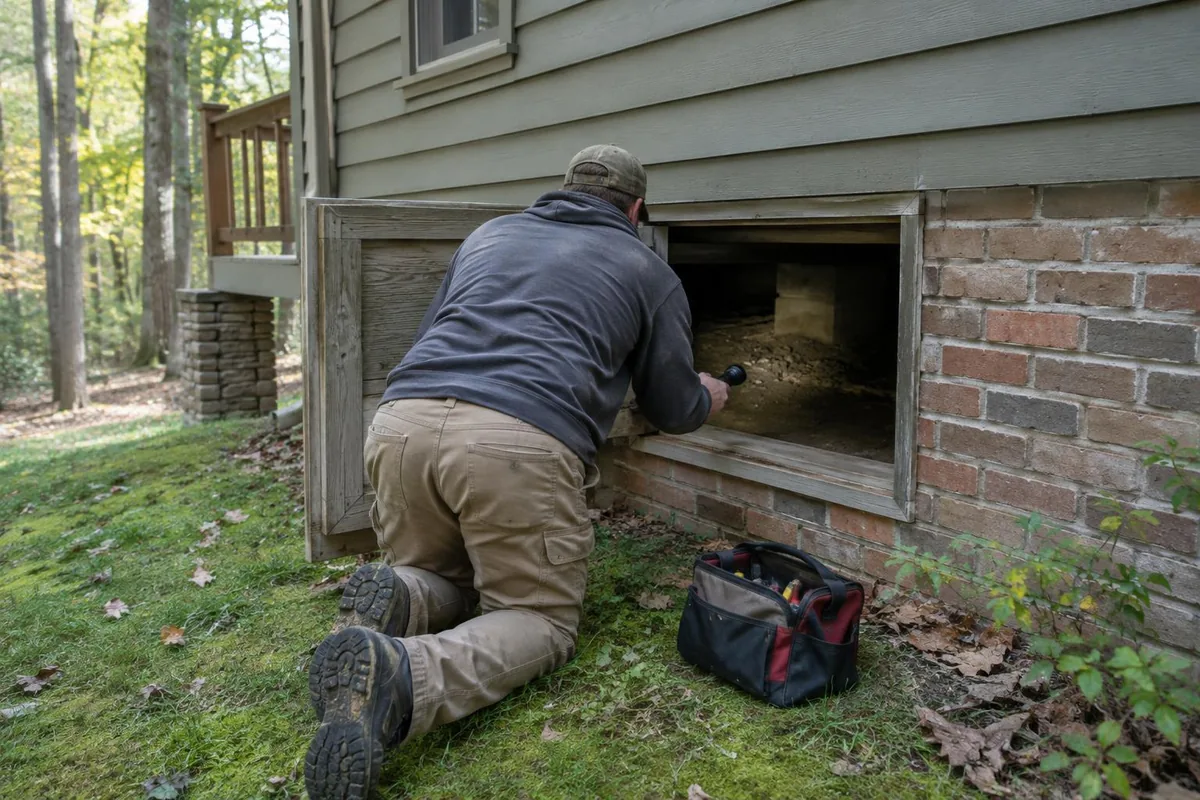
The estimator crawls the space with a camera and checks joists, subfloor, insulation and ducts for growth. You receive a free quote with each part priced on its own line, and the estimator explains where the moisture is coming from so the fix goes beyond cleaning. A quote that skips the moisture source would only buy you a clean space for a season, so the source is always on the list.

3. Insulation Out and Surfaces Cleaned

The crew bags wet insulation, removes debris and cleans surface growth from the framing. Containment keeps dust from drifting into the house. Mold treatment usually adds about one day to the schedule, and a larger crawl space or heavy growth can add more. Workers wear protective gear and seal the crawl space door while they work, so you keep using the house as normal.

4. Treatment and Moisture Fix

Treatment goes on the cleaned wood, and the crew repairs the leak, grading or drainage that fed the growth. Drying equipment is set up so the framing dries before anything is covered, because plastic over damp wood brings the mold back. Wood that still reads wet after treatment gets more drying time or a dehumidifier before the schedule moves to the next step, so nothing is closed over moisture.

5. Final Check and Next Steps

The crew checks the cleaned surfaces and hands over a walk-through of what was done. If you want the space sealed, we move to the liner and dehumidifier. If not, you get tips for keeping the vents and drains clear and for watching the framing each season. Signs of regrowth such as a returning smell or fuzzy spots are worth a call right away, before they spread to more wood.

Crawl Space Mold Removal FAQs: Asheville, NC

How much does crawl space mold removal cost in Asheville?

Crawl space mold removal in Asheville typically runs $1,000 to $1,700. The spread of growth, the amount of insulation removed and the condition of the subfloor change the quote, and a dehumidifier is priced separately.

Do you have to remove mold before encapsulating a crawl space?

Mold is cleaned and treated before any liner goes down, because growth sealed under plastic keeps spreading. Wet insulation comes out and the moisture source is fixed in the same job.

How do I know if my crawl space has mold?

A musty smell, visible growth on joists, drooping insulation and soft floors are the usual signs. A camera inspection shows how far the growth has spread, and the quote reflects what was found.

How long does crawl space mold removal take?

Most jobs take about one day for cleaning and treatment. Large spaces or heavy growth add time, and the drying step before any liner is set by how wet the wood is.

Will the mold come back after treatment?

Growth returns when moisture returns. We fix the leak or drainage problem and add a dehumidifier or sealing so humidity stays down, which is what keeps the framing clean.

Can you fix rotted wood in the crawl space?

We assess the joists and subfloor and tell you what needs to be done. We do not promise structural repairs, and the quote separates mold work from anything outside our scope.

Is mold in the crawl space dangerous to my family?

Spores can travel up through gaps in the floor and into living areas. Cleaning and drying the crawl space reduces what reaches the house, and anyone with health concerns should talk to a doctor.

Foundation and Crawl Space Pros serves Asheville and Buncombe County.

Get a Free Crawl Space Mold Removal Quote in Asheville, NC

Mon–Fri 7am–6pm · Sat 8am–2pm

Call Now Free Quote